Cannabis 101: A Simple Guide to Safe Access and Informed Choice
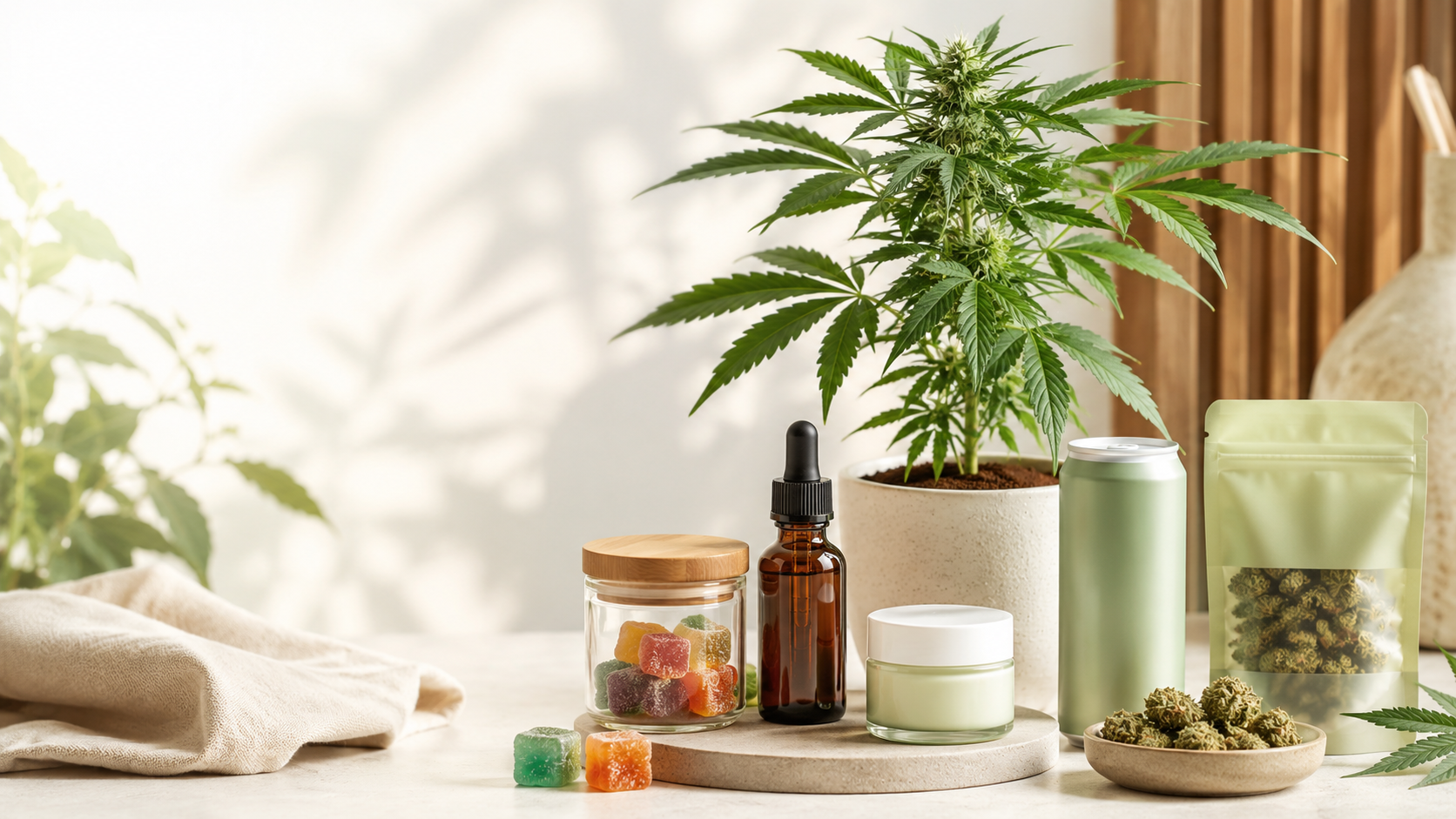
Cannabis and hemp products are becoming more common, but many consumers still feel confused by the language, product types, labels, and laws. That confusion is understandable. Terms like hemp, cannabis, CBD, THC, full-spectrum, medical marijuana, hemp seed oil, and Certificate of Analysis are often used together, even though they can mean very different things.
This guide is designed to give consumers a clear starting point.
At Cannabis Consumer Choice Alliance, we believe people are safest when they have access to honest information, transparent products, and the ability to make informed choices.
What Is Cannabis
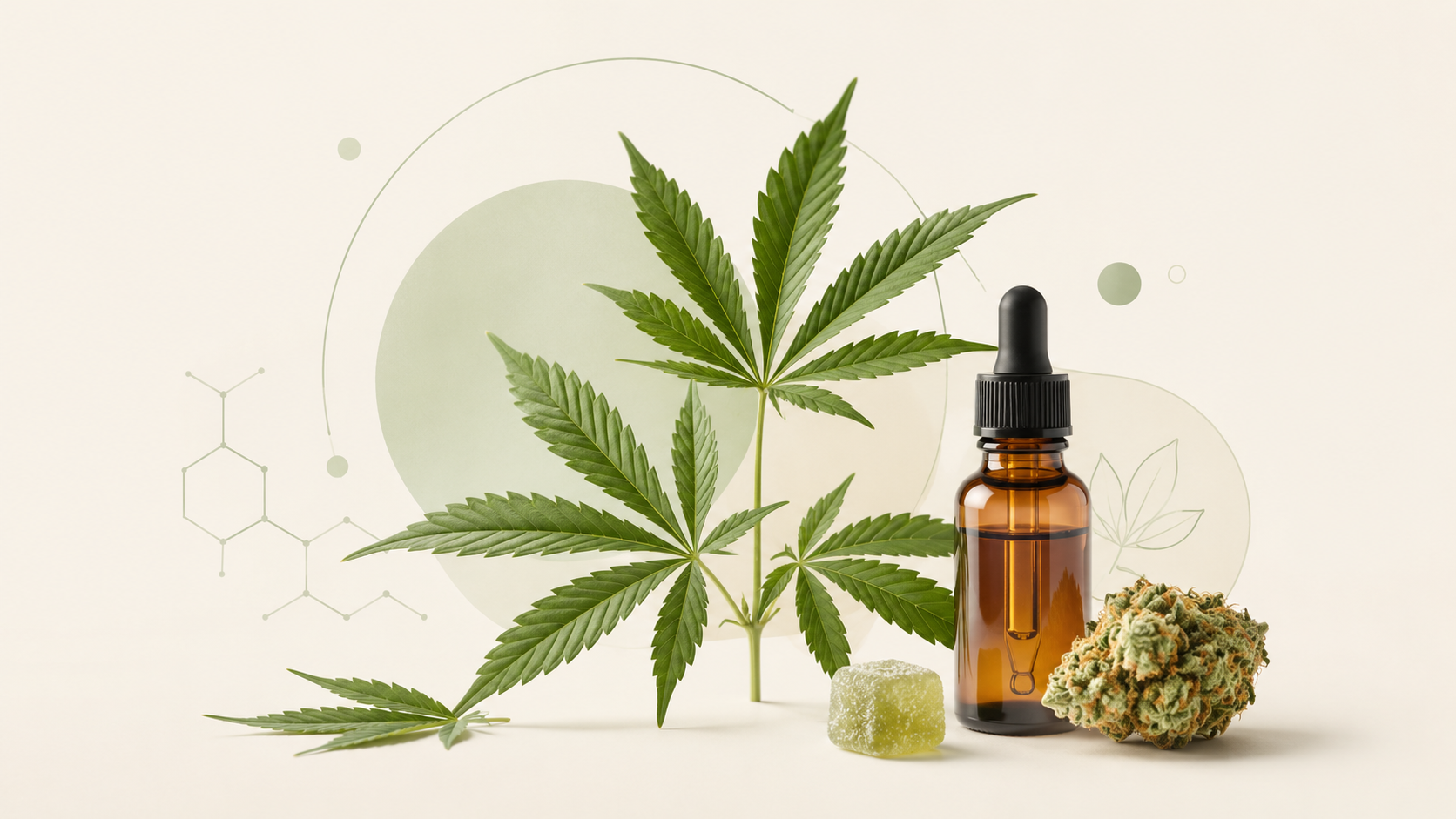
Cannabis is a plant family that includes varieties commonly described as hemp and marijuana. These plants can contain many naturally occurring compounds, including cannabinoids, terpenes, flavonoids, fatty acids, and other botanical components.
The two most commonly discussed cannabinoids are THC and CBD.
THC is the cannabinoid most associated with intoxicating effects.
CBD is non-intoxicating and is commonly used in wellness-oriented products.
Cannabis products can vary widely in strength, ingredients, intended use, and legal classification. That is why consumers should pay attention to labels, testing, dosage, and product type before purchasing or using a product.
Hemp vs. Marijuana
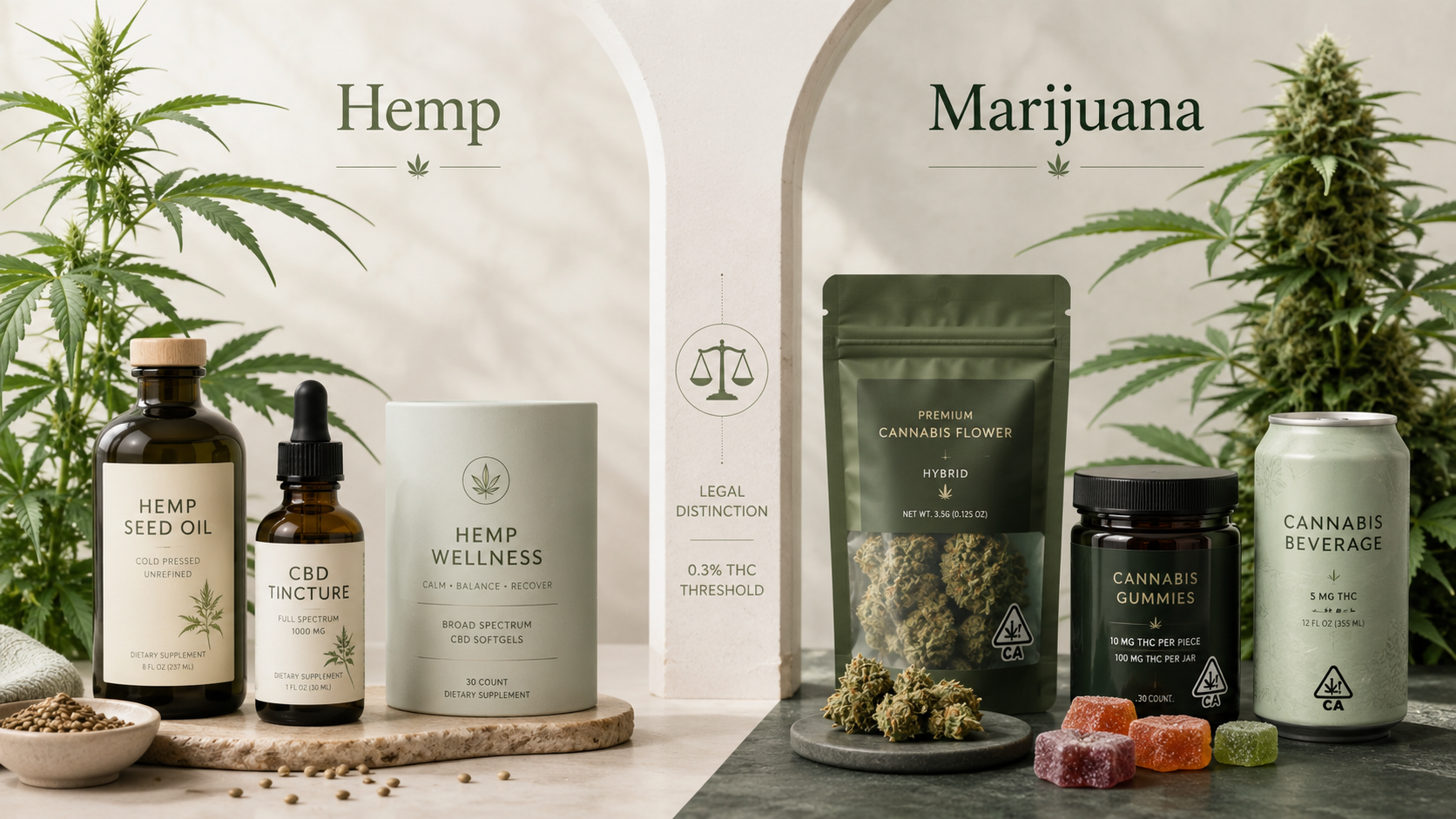
The difference between hemp and marijuana is largely a legal distinction.
In the United States, hemp is generally defined as cannabis containing no more than 0.3% delta-9 THC by dry weight. Marijuana generally refers to cannabis that exceeds that threshold or is regulated under state marijuana programs.
This distinction matters because hemp-derived products and marijuana products may be regulated very differently depending on federal law, state law, product type, and intended use.
For consumers, the main takeaway is simple:
Not all cannabis products are the same, and legal status does not automatically tell you whether a product is safe, appropriate, or well-made.
Hemp Seed Oil Is Not the Same as CBD Oil
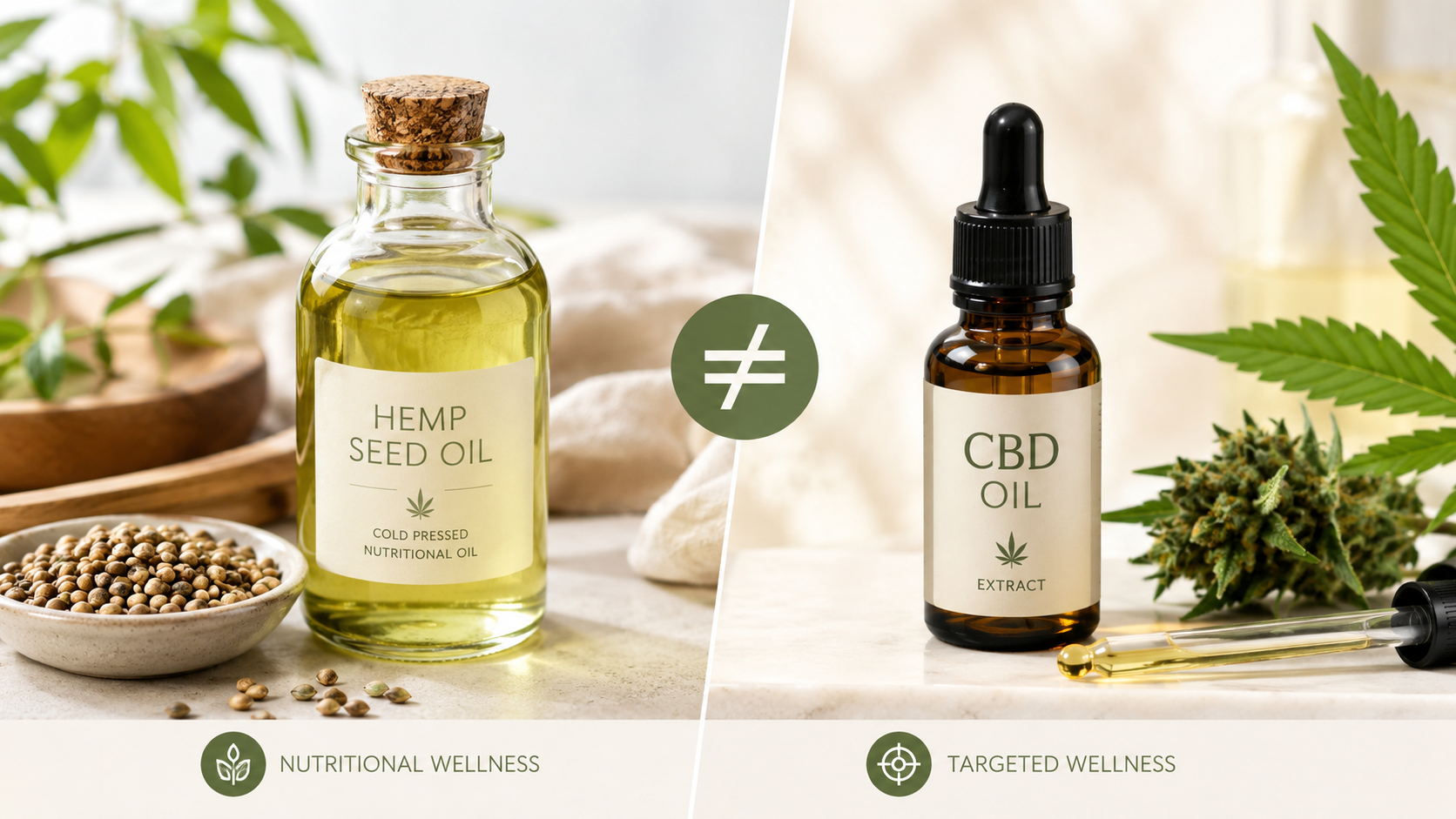
One common source of confusion is the difference between hemp seed oil and CBD oil.
Hemp seed oil is made from the seeds of the hemp plant. It is commonly used as a food oil, cosmetic ingredient, or nutritional oil. It typically does not contain meaningful amounts of CBD or THC.
CBD oil is usually made with extracts from the flower, leaves, or aerial parts of the hemp plant. It may contain CBD and, depending on the product, other cannabinoids.
Both may come from hemp, but they are not the same product.
Consumers should look closely at labels to see whether a product contains actual cannabinoids, how much it contains, and whether testing is available.
Common Cannabis and Hemp Product Types
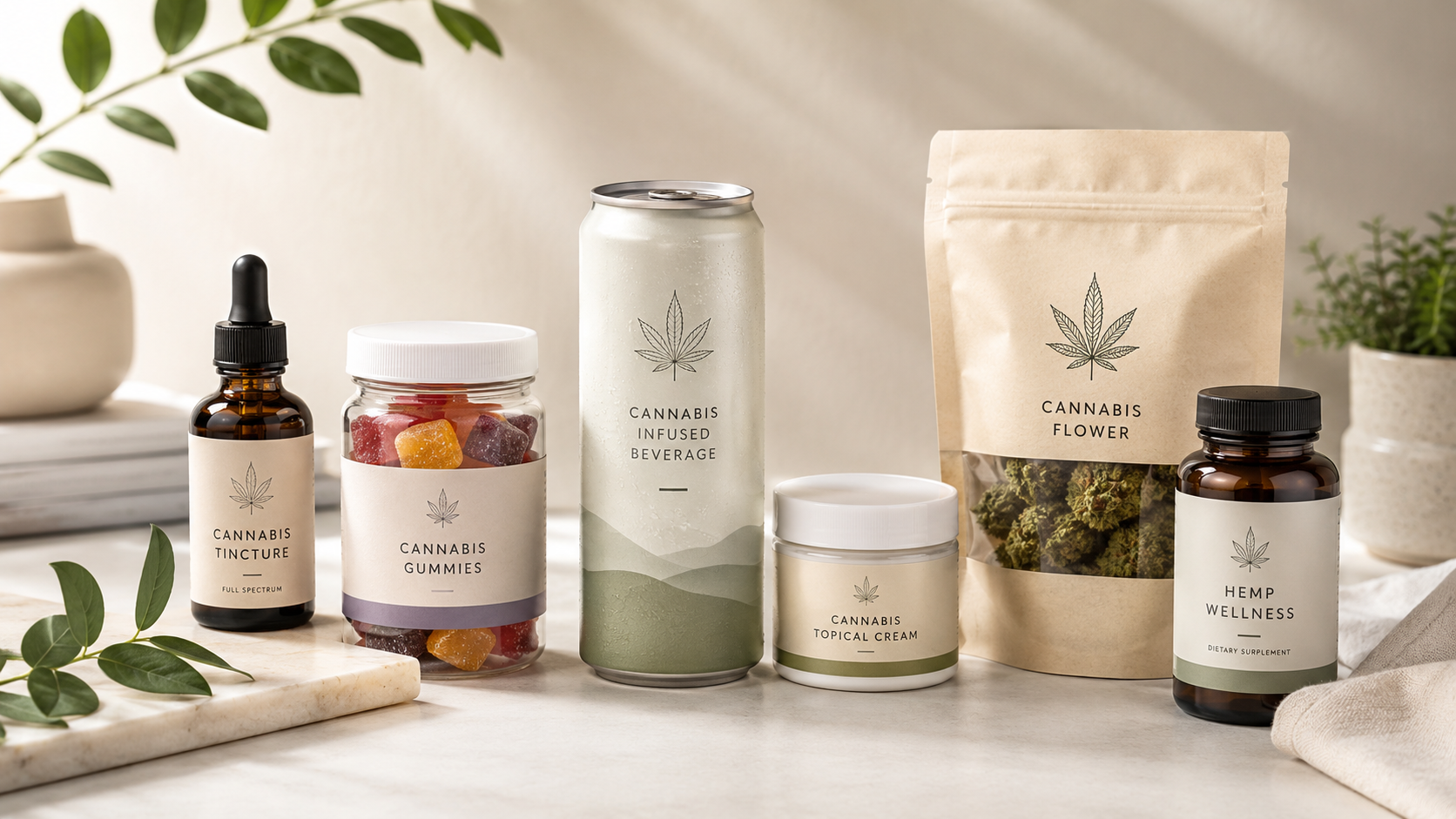
Cannabis and hemp products come in many forms. Each format can feel different, work differently, and require different safety considerations.
Gummies and Edibles
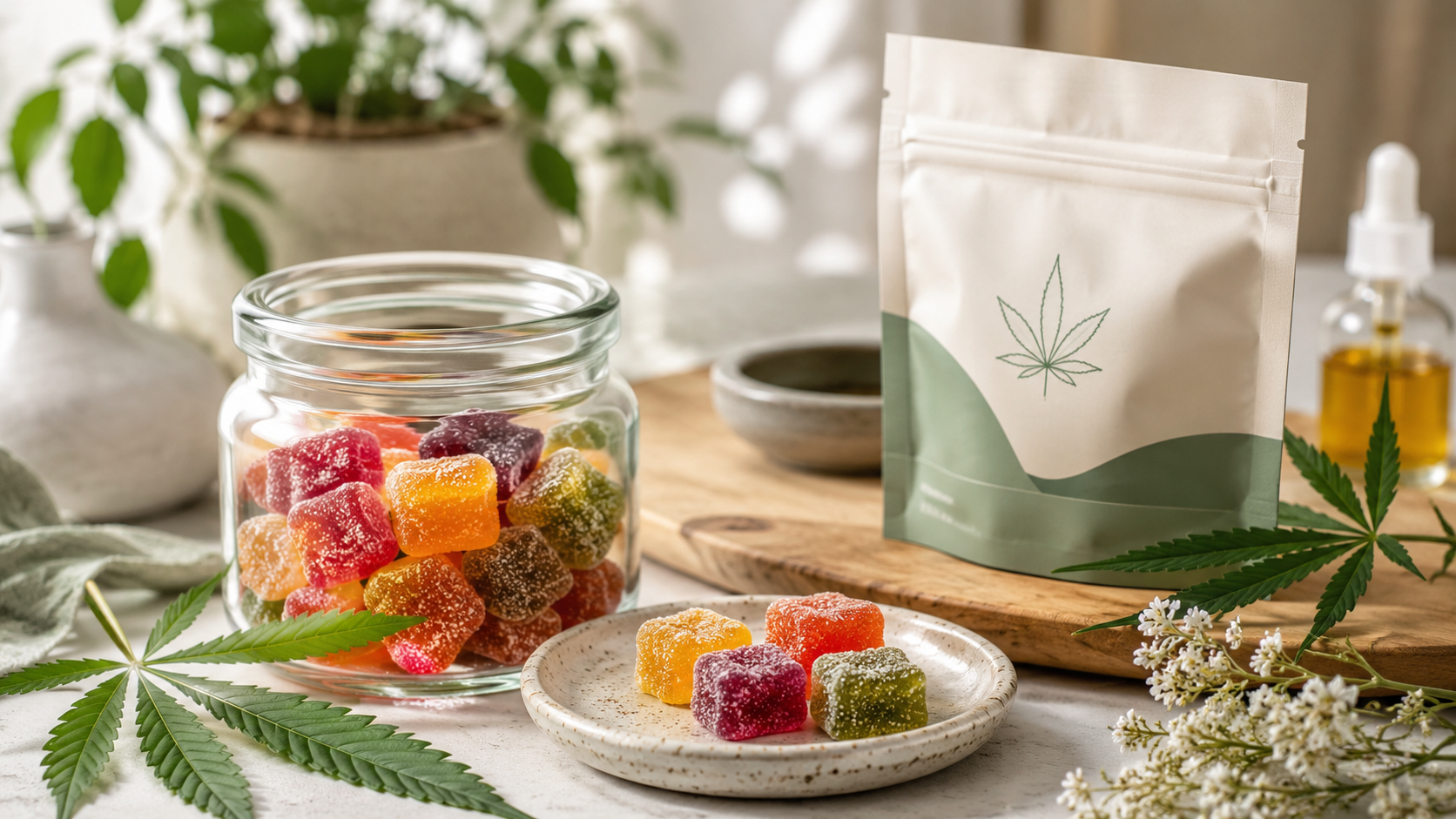
Edibles are eaten and absorbed through digestion. They can take longer to feel, and effects may last longer than other product types. Because delayed onset can lead to overconsumption, consumers should be cautious and patient.
Beverages
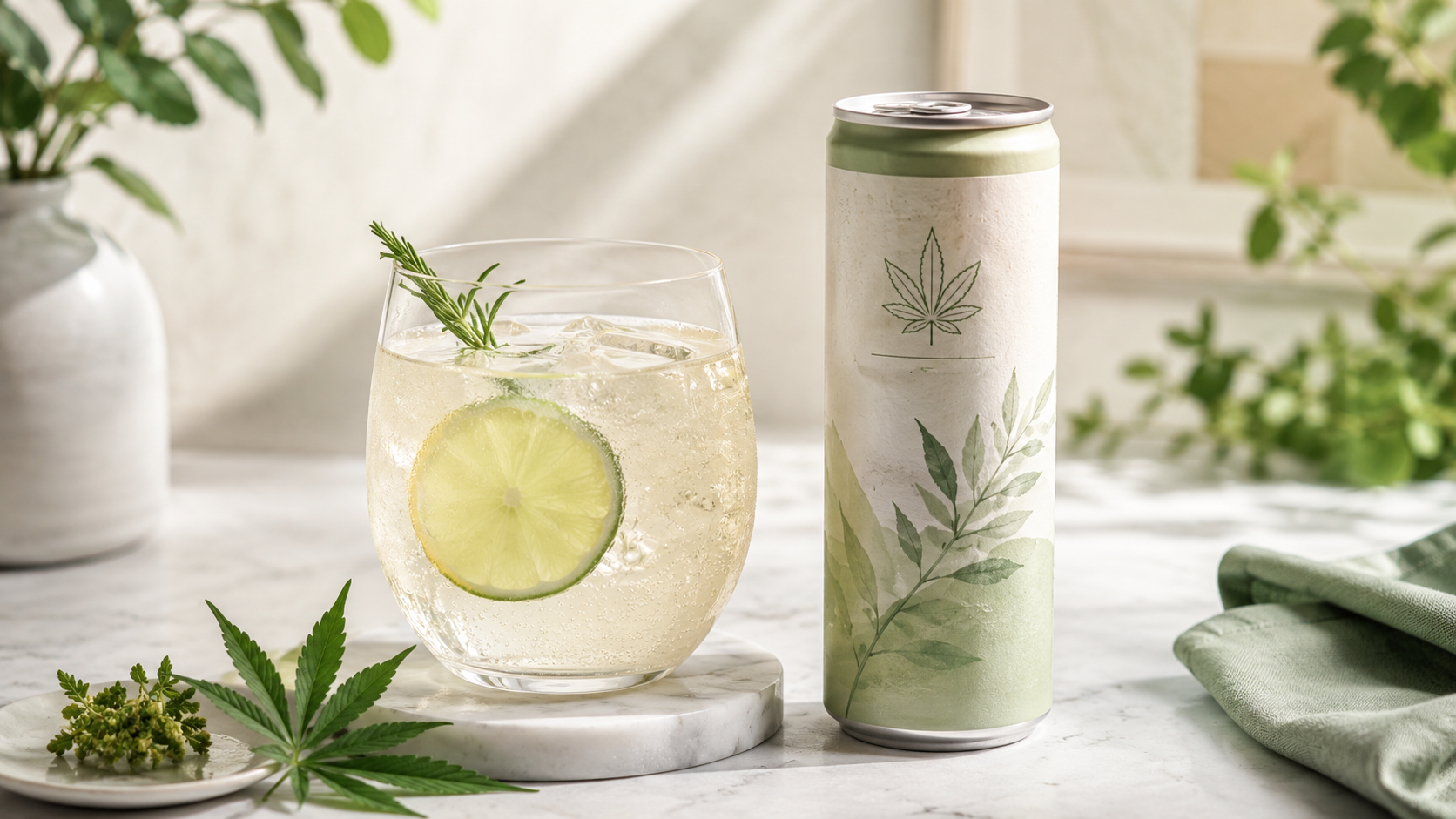
Infused beverages are drinks that contain cannabinoids such as CBD, THC, or both. Some consumers like beverages because they can feel familiar and social, similar to other adult beverages. Always check the dose per can or bottle.
Tinctures
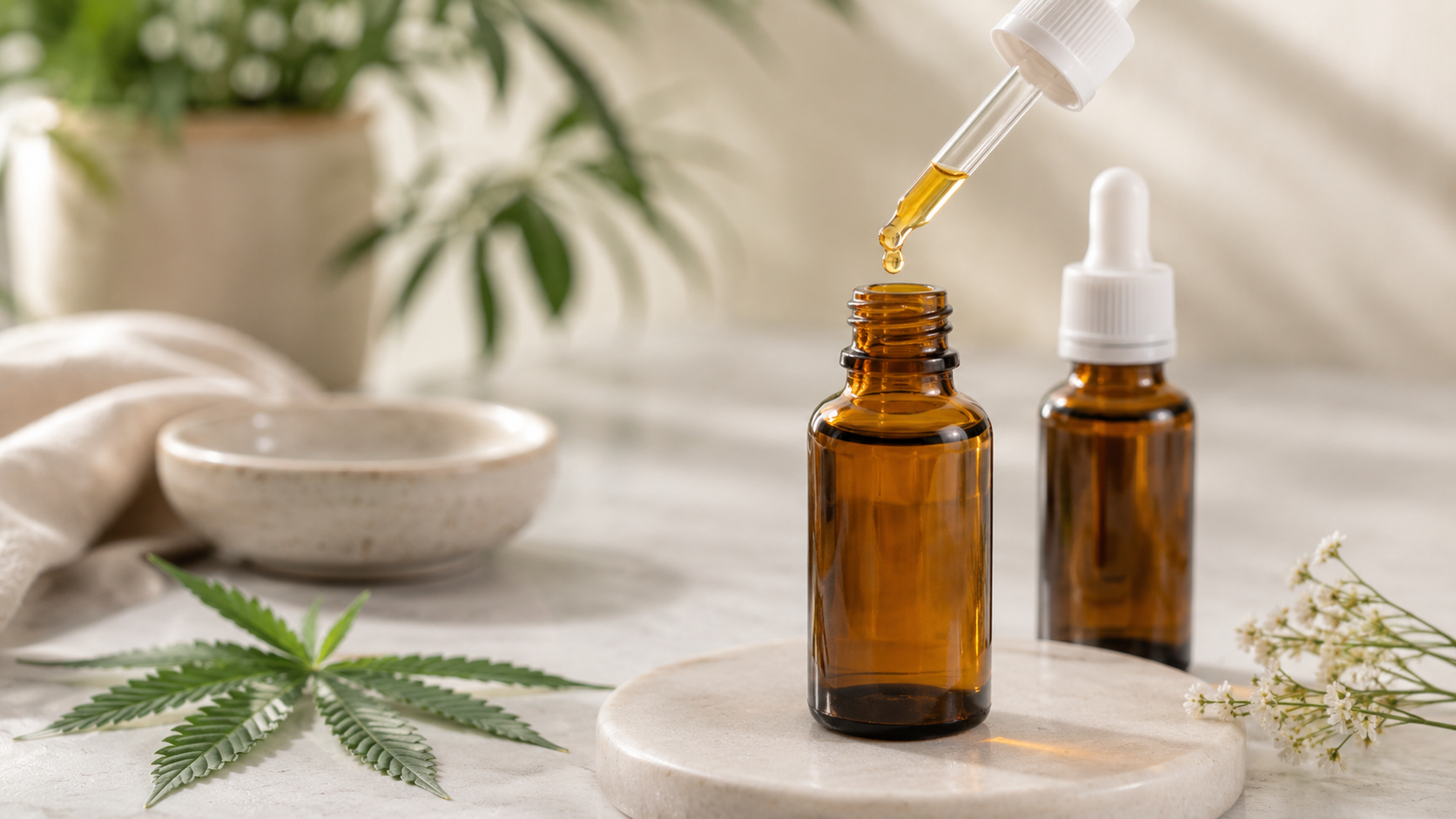
Tinctures are liquid products usually taken by dropper. They may be placed under the tongue or mixed with food or drinks, depending on the product instructions.
Topicals
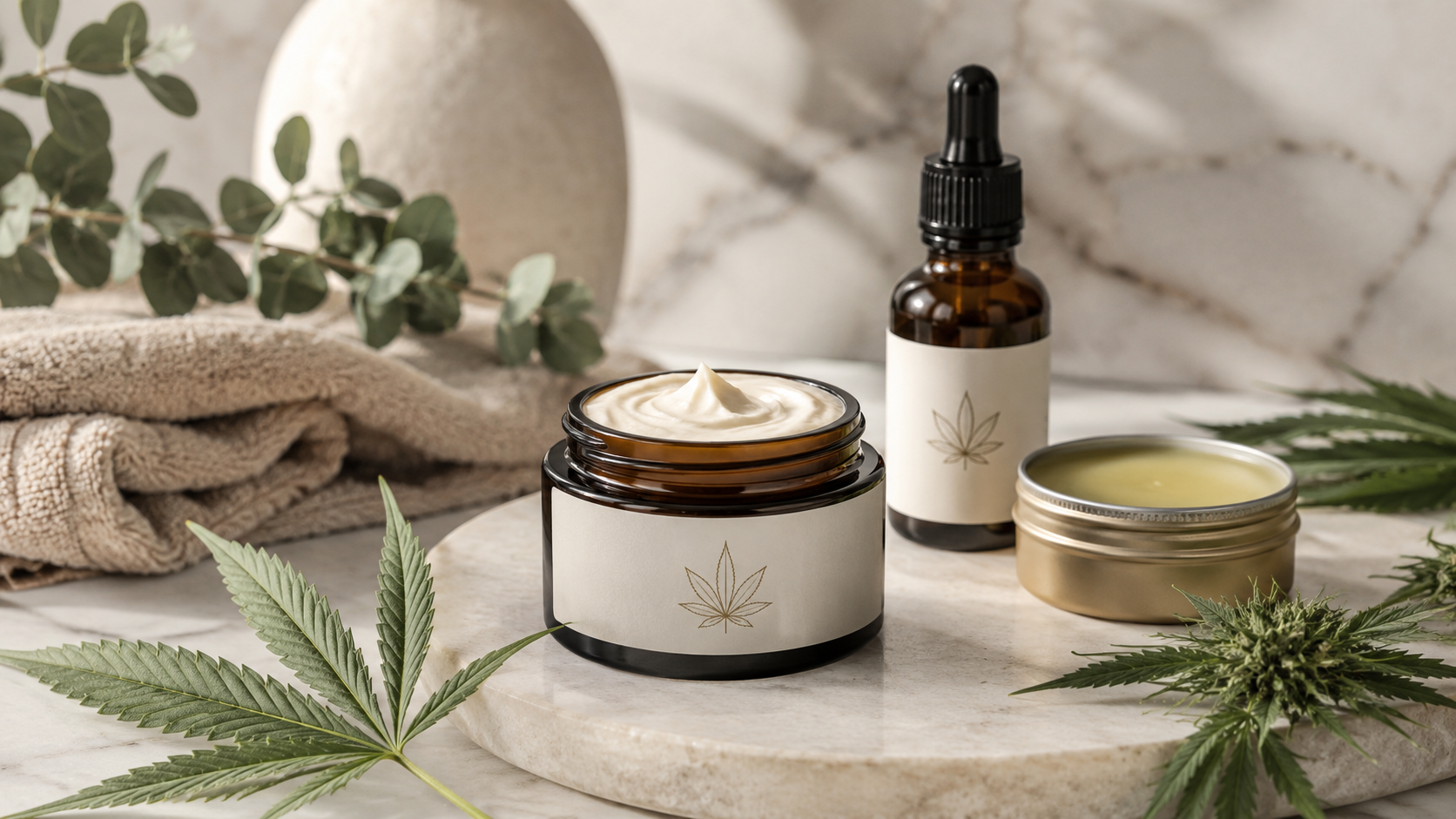
Topicals are applied to the skin. They may include creams, balms, lotions, or roll-ons. Many topicals are non-intoxicating, but consumers should still review the ingredients and label.
Flower
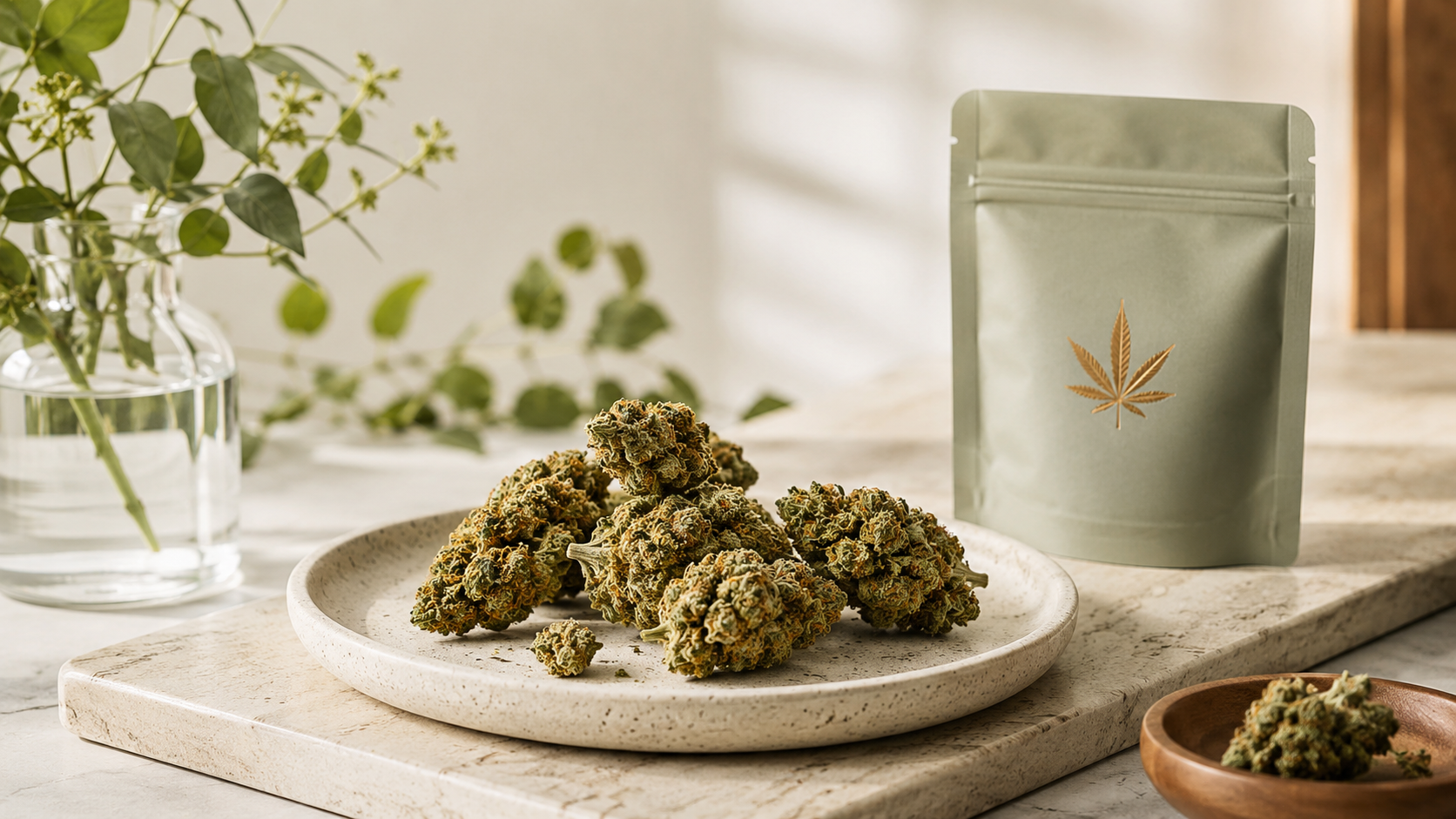
Flower refers to the dried cannabis plant material. It may be smoked or vaporized, depending on the product and local laws. Consumers should understand potency and legal access rules before use.
Vapes
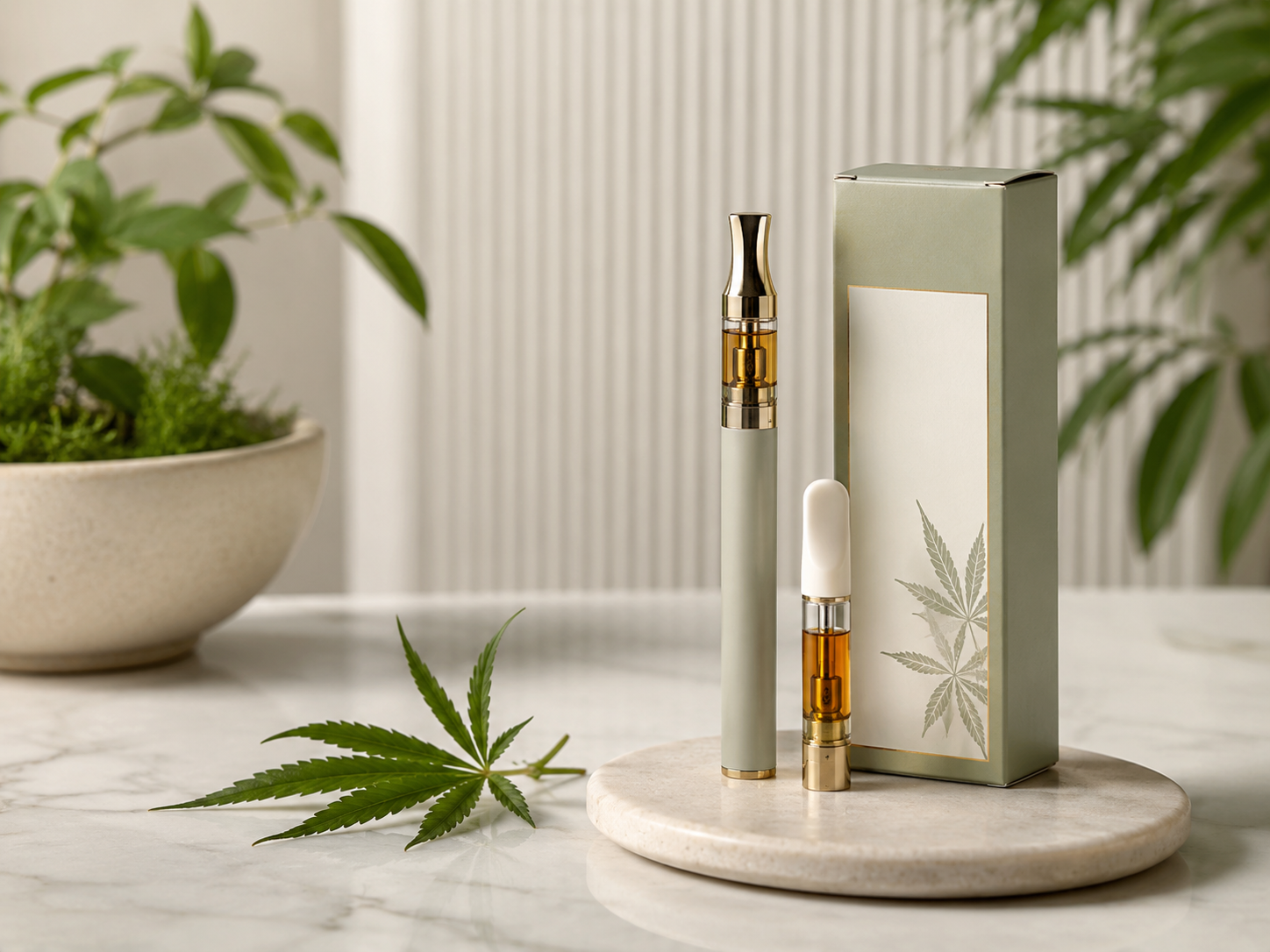
Vape products are inhaled through a vaporizer device. Because inhaled products can raise special safety concerns, consumers should be especially careful about ingredients, testing, hardware quality, and source.
Understanding THC and CBD
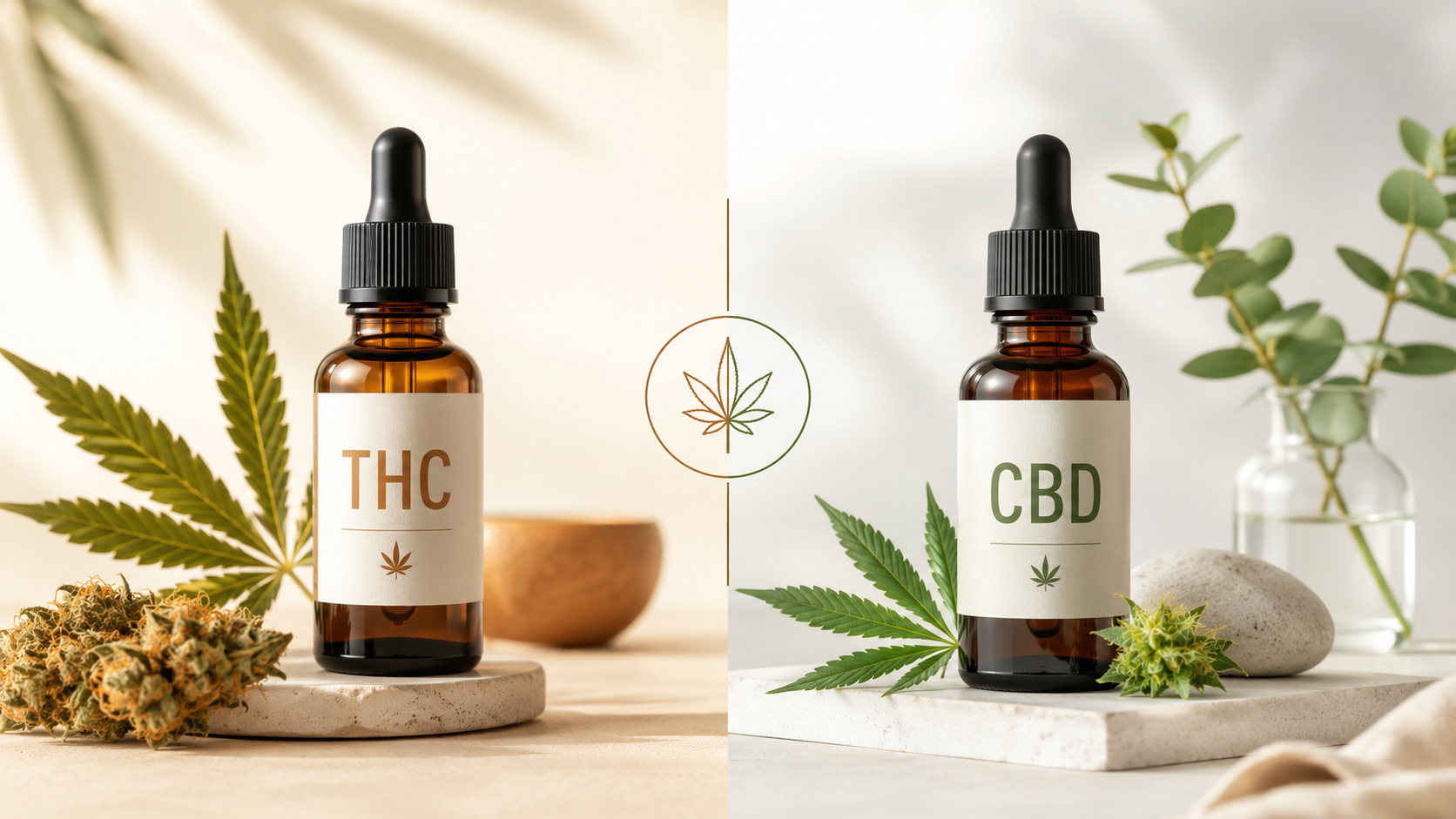
THC
THC can produce intoxicating effects. Depending on dose, tolerance, product type, and individual sensitivity, THC may affect mood, perception, coordination, appetite, and sleepiness.
Consumers using THC should avoid driving or operating machinery and should start with low doses, especially if they are new or returning after a long break.
CBD
CBD is not generally associated with intoxication. Many consumers use CBD products for wellness routines, but product quality can vary. Consumers should look for clear dosage information and third-party testing.
THC + CBD Products
Some products contain both THC and CBD. The ratio between the two cannabinoids can affect the consumer experience. For example, a product with 1 mg THC and 25 mg CBD is very different from a product with 10 mg THC and no CBD.
What Does “Full-Spectrum” Mean?
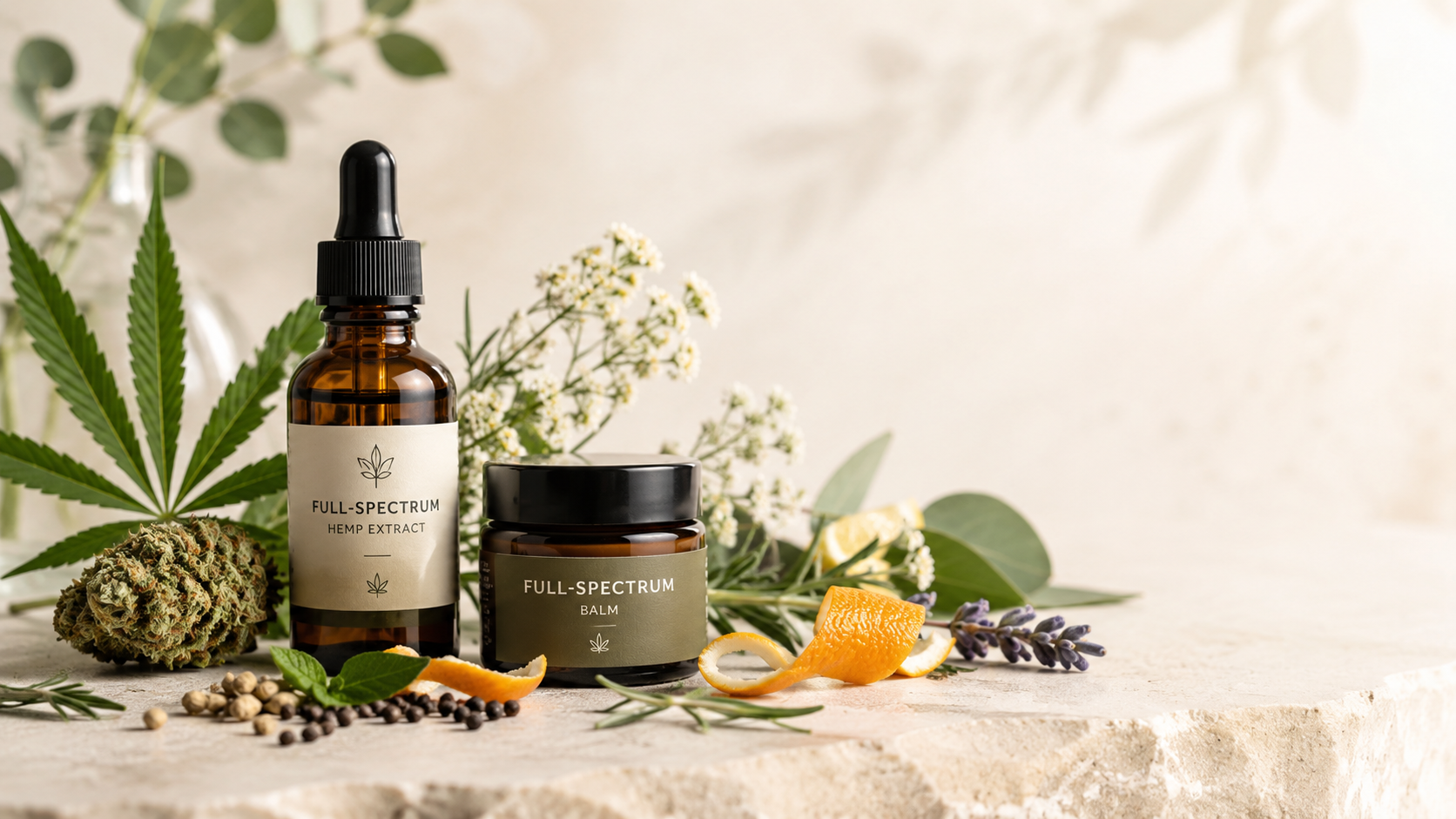
“Full-spectrum” usually means a product contains multiple compounds from the cannabis or hemp plant, potentially including cannabinoids, terpenes, and other botanical components.
However, the term can be used differently by different companies. Consumers should not rely only on marketing language. A label or lab report should show what the product actually contains.
Other related terms include:
Broad-spectrum: may contain multiple hemp compounds but is often marketed as THC-free or with non-detectable THC.
Isolate: usually refers to a purified single compound, such as CBD isolate.
What Is a COA?
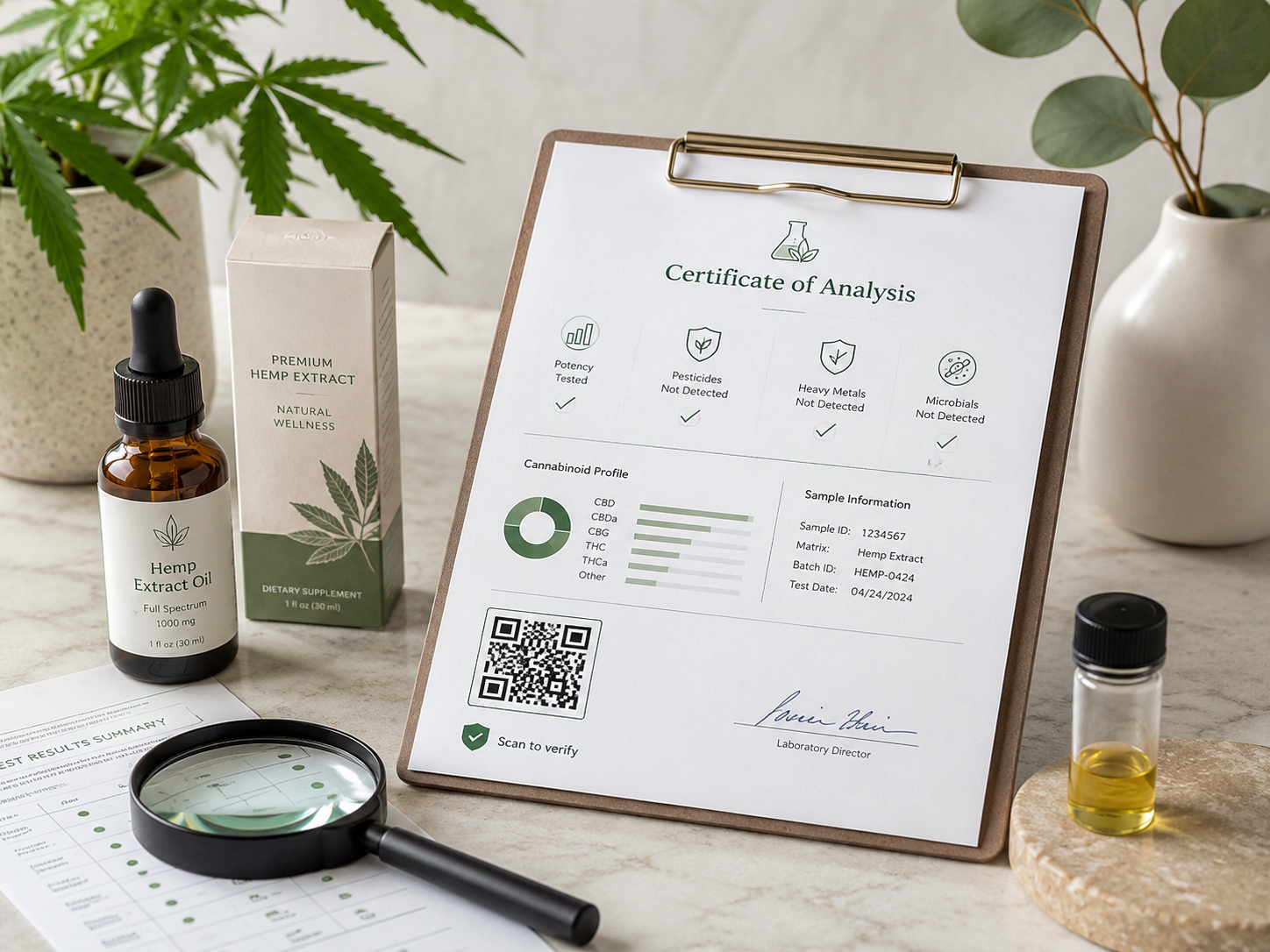
A Certificate of Analysis, often called a COA, is a lab report that provides information about a product or ingredient.
A good COA may show:
cannabinoid potency;
THC and CBD levels;
batch or lot number;
testing date;
lab name;
contaminants such as pesticides, heavy metals, residual solvents, microbes, or mycotoxins, depending on the test panel.
A COA is useful only if it matches the product batch you are buying. If the label has a batch number, the COA should match that batch.
Consumers should be cautious if a company cannot provide testing or if the QR code does not lead to a clear, current report.
How to Read a Product Label
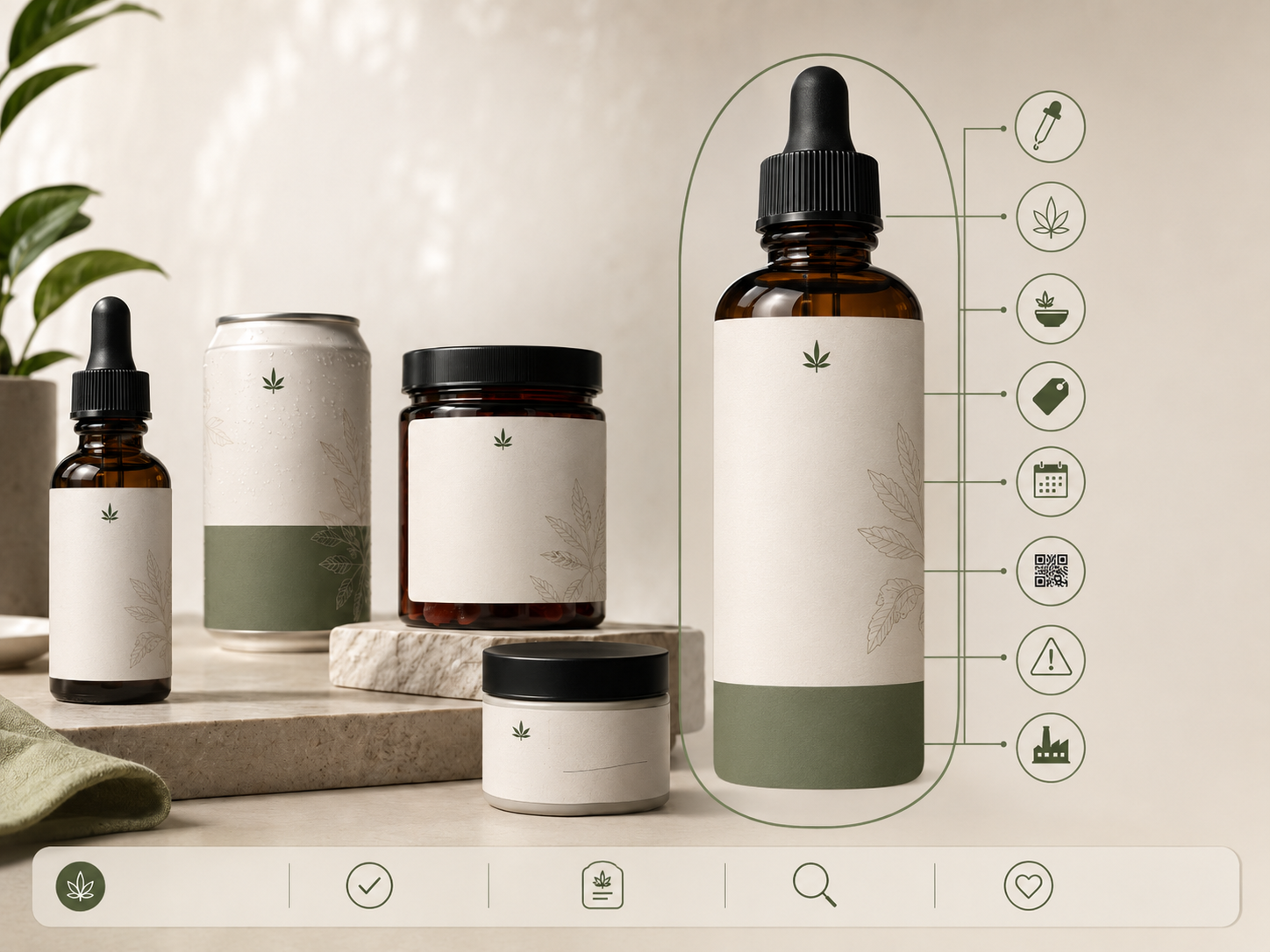
Before buying a cannabis or hemp product, look for:
product name;
serving size;
number of servings per package;
amount of THC, CBD, or other cannabinoids per serving;
total amount per package;
ingredients;
allergen information when relevant;
batch or lot number;
manufacturer or distributor name;
expiration or best-by date;
warnings;
QR code or link to testing;
age restriction where applicable.
A clear label helps consumers make informed decisions. A confusing label is a red flag.
Start Low and Go Slow
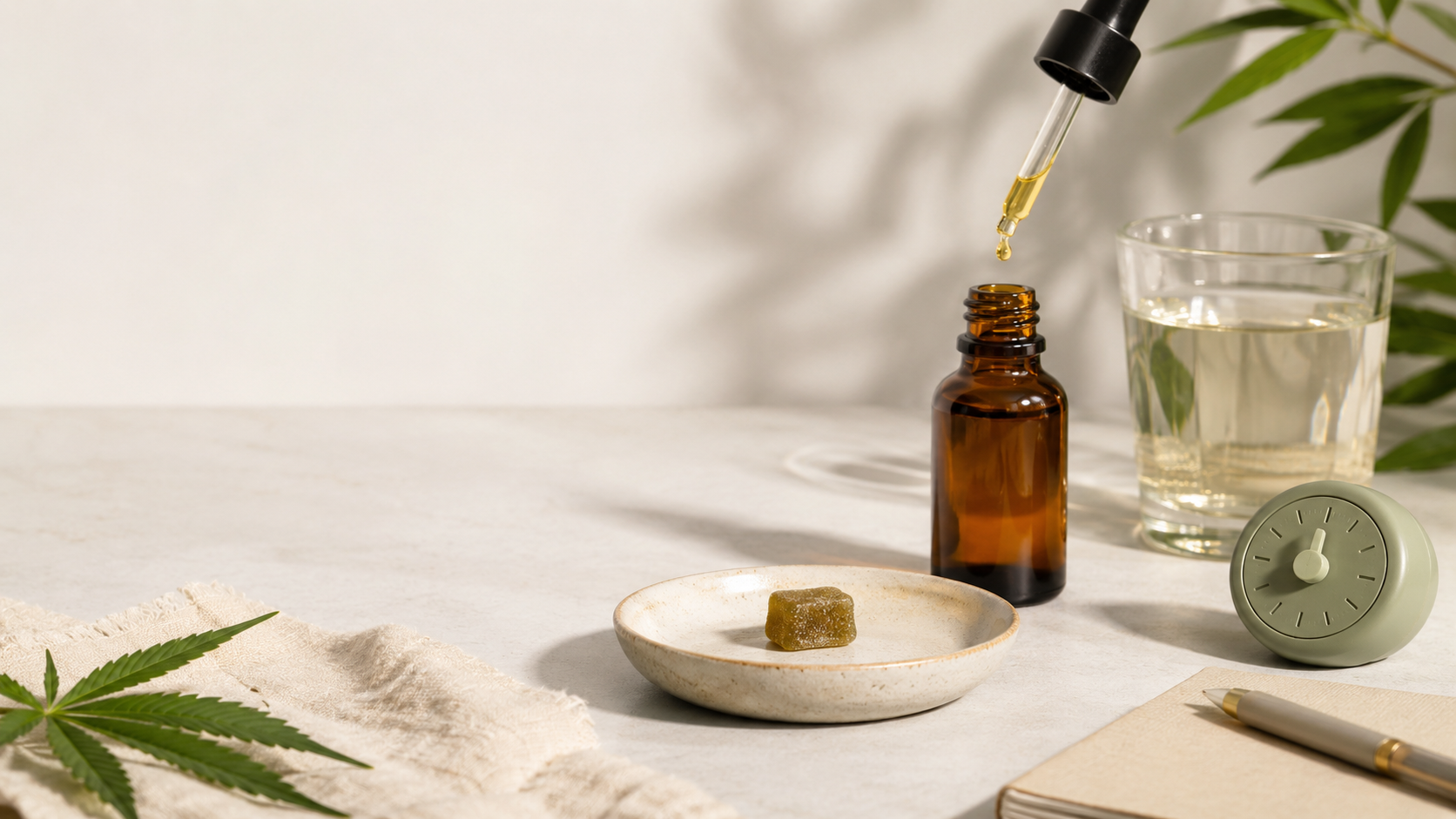
This is one of the most important consumer safety principles.
For THC products, especially edibles and beverages, beginners should start with a low amount and wait long enough before taking more. Effects from edible products can take time to appear and may last longer than expected.
A person’s experience can be affected by:
dose;
tolerance;
body size and metabolism;
food intake;
product format;
medications;
alcohol use;
sleep;
stress;
individual sensitivity.
More is not always better. The right amount is the amount that works safely and predictably for the individual consumer.
Safe Storage Matters

Cannabis and hemp products should be stored responsibly.
Consumers should keep products:
away from children;
away from pets;
in original packaging when possible;
clearly labeled;
secured if the product contains THC;
away from heat, moisture, or sunlight if the label recommends it.
Edibles and beverages can sometimes look like ordinary food or drinks. That makes safe storage especially important.
Responsible Regulation Protects Consumers
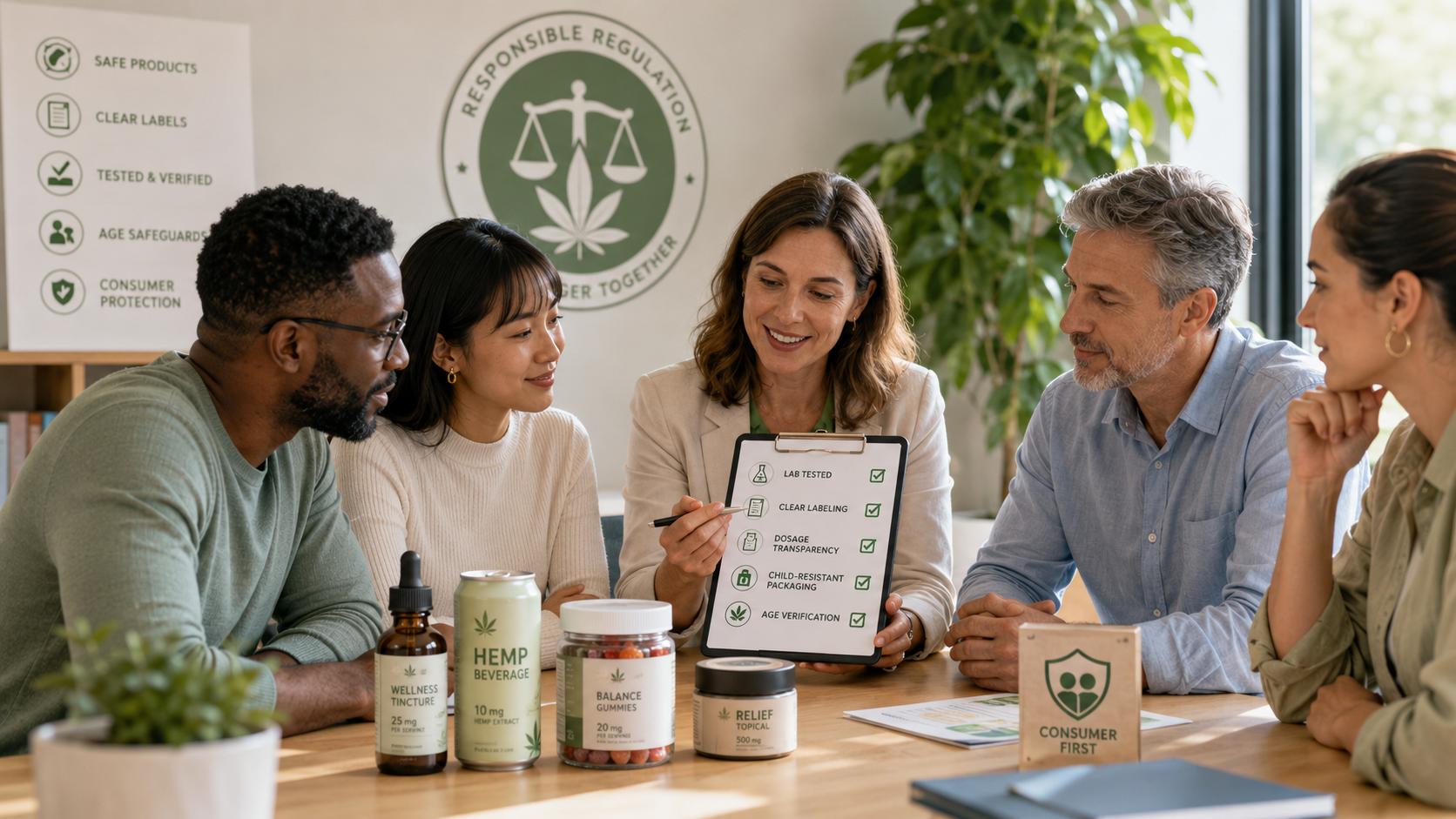
Consumers are not protected by confusion. They are protected by clear standards.
Responsible cannabis and hemp regulation should support:
accurate labeling;
third-party testing;
honest dosage information;
age-appropriate safeguards;
child-resistant packaging where appropriate;
enforcement against unsafe or misleading products;
fair access for patients and consumers;
product category distinctions;
responsible business practices.
The goal should be safer choices, not fewer choices.
Questions to Ask Before Buying

Before purchasing a cannabis or hemp product, ask:
What is the dose per serving?
How many servings are in the package?
Does the product contain THC, CBD, or both?
Is there a QR code or lab report?
Does the COA match the product batch?
Who manufactured the product?
Are the ingredients clearly listed?
Is the product appropriate for my experience level?
Are there warnings or age restrictions?
Can the retailer answer basic safety questions?
If the answer to these questions is unclear, consider choosing a more transparent product.
Consumer Choice Matters

Cannabis and hemp consumers are not all the same.
Some people want non-intoxicating hemp products. Some want CBD. Some want low-dose THC. Some rely on medical marijuana. Some are looking for alternatives to alcohol. Some care most about price. Others care most about testing, ingredients, or local availability.
A healthy marketplace gives consumers safe, lawful, transparent choices.
More safe choices mean more consumer power.
Final Thought
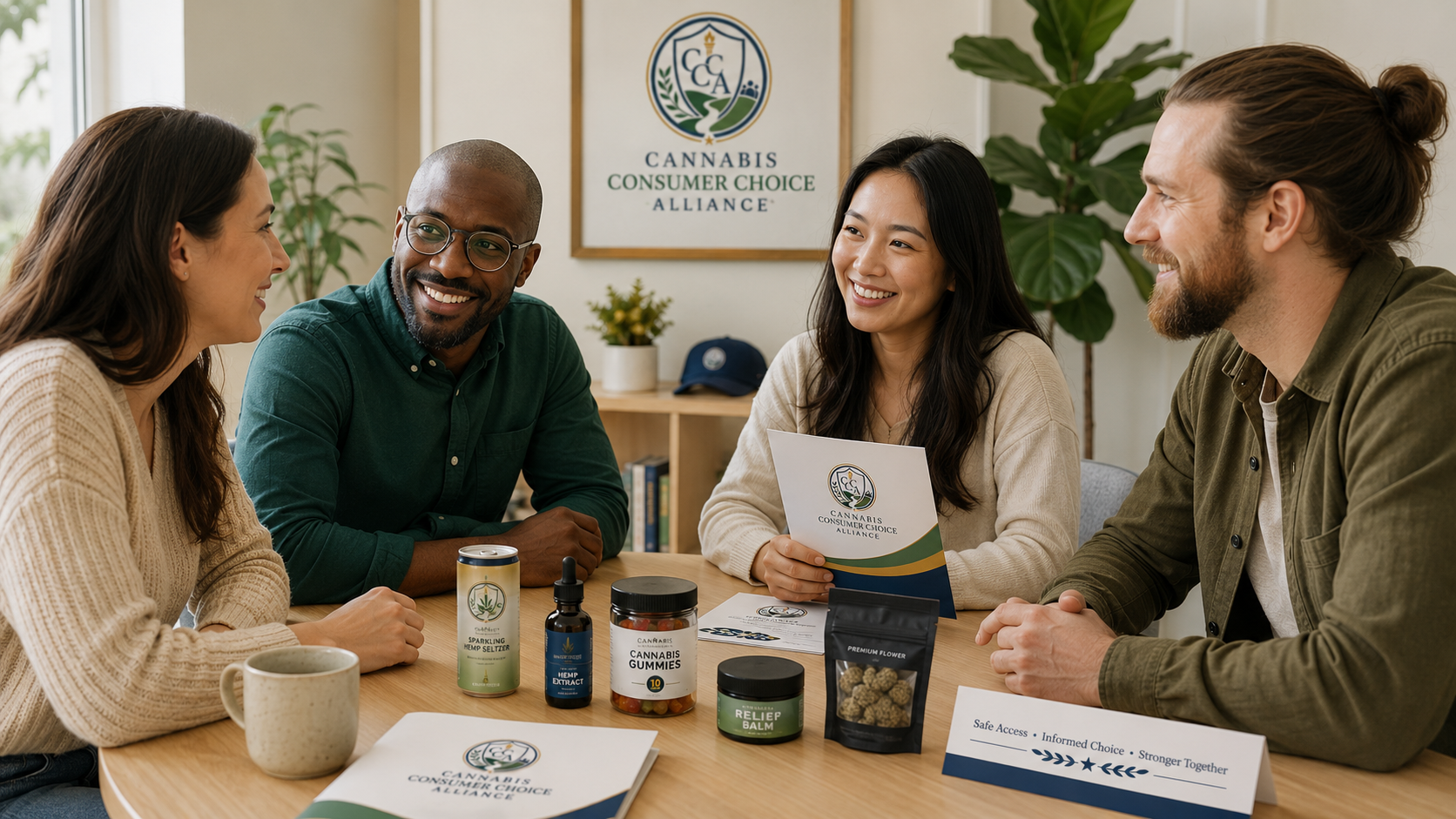
Cannabis 101 is not about telling people what to use. It is about helping people understand what questions to ask.
The safest consumer is an informed consumer.
At Cannabis Consumer Choice Alliance, we believe education, transparency, responsible regulation, and consumer choice should work together. People deserve access to safe products, honest information, and policies that reflect real-world needs.
Safe Access. Informed Choice. Stronger Together.